 |
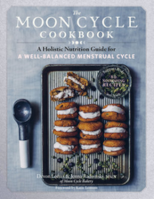
Full Title: | The Moon Cycle Cookbook |
|---|---|---|
| Author(s): | Devon Loftus; Jenna Radomski | |
| Publishing / Edition: | Storey Publishing, 2021 |
|
Full Title: | The Moon Cycle Cookbook |
|---|---|---|
| Author(s): | Devon Loftus; Jenna Radomski | |
| Publishing / Edition: | Storey Publishing, 2021 |
| Breakfasts | Lunches / Dinners | Side Dishes | Desserts / Snacks | Drinks |
|---|---|---|---|---|
| • Sweet Potato and Beef Breakfast Bites • Avocado Toast (Three Variations) • Coconut-Quinoa Porridge w/ Earl Grey Poached Pears • Adobo Tofu Breakfast Tacos • Sweet Potato, Kale, and Beet Lentil Hash |
• Rosemary and Roasted Garlic Butternut Squash Soup • Red Wine Braised Beef Short Ribs and Lentils • Vegan Mac and Cheese with Roasted Broccoli • Teriyaki Salmon Bowl with Carrots and Bok Choy • Slow Cooker Sweet Potato Chili • Steak and Zucchini Noodle Bowl |
• Cucumber-Sesame Seaweed Salad • Roasted Brussels Sprouts with Maple Pecans |
• Roasted Beet Hummus • Pumpkin and Flax Pesto • Chocolate-Avocado Mousse with Raspberry Compote • Hazelnut Brownies • Triple Berry Chia Pudding |
• Vanilla-Cacao Elixir • Garlic Thyme Chicken Bone Broth |
| Breakfasts | Lunches/Dinners | Desserts/Snacks | Drinks |
|---|---|---|---|
| • Buckwheat-Almond Banana Muffins • Savory Millet Breakfast Bowl with Lemon-Garlic Tahini Sauce • Dark Chocolate and Cherry Grain-Free Granola with Sprouted Walnuts • Rosemary Sausage Quiche with Apple Crust • Vanilla Chai Overnight Oats • Cinnamon Pear-Almond Butter Parfait with Toasted Pumpkin Seeds |
• Quinoa-Black Bean Beet Burger • Spring Mix Salad with Roasted Chickpeas and Miso Pesto • Chicken Fajitas with Honey-Chipotle Yogurt Sauce • Zucchini and Kimchi Frittata • Garlic Tempeh Tacos with Pineapple-Jalapeno Salsa • Baked Salmon Cakes with Lemon-Dill Aioli • Miso-Ginger Noodle Soup with Beef |
• Oatmeal-Peanut Butter Chocolate Chunk Bites • Sauerkraut • Chili and Lime Kale Chips • Salt and Pepper Sprouted Almond Crackers • Cranberry-Walnut Yogurt Cookies • Coconut-Ashwagandha Fudge |
• Honey-Cinnamon Latte |
| Breakfasts | Lunches / Dinners | Side Dishes | Desserts / Snacks | Drinks |
|---|---|---|---|---|
| • Orange Sunrise Smoothie • Spinach-Tomato-Quinoa Breakfast Bites • Citrus Breakfast Salad with Honey-Lime Yogurt and Mint • Avocado Green Smoothie • Matcha Mango-Peach Smoothie Bowl • Kale, Black Bean, and Scrambled Egg Breakfast Burritos with Romesco Sauce |
• Lemongrass-Coconut Chickpea Curry • Southwest Chicken Salad with Avocado-Jalapeno Dressing • Veggie Hummus Collard Rolls with Spicy Peanut Sauce • Mediterranean Tuna Salad |
• BBQ Cauliflower Bites • Lemon-Garlic Asparagus • Shredded Brussels Sprouts Slaw with Toasted Walnuts and Grapefruit Vinaigrette |
• Strawberry-Coconut-Lime Ice Pops • Maple-Tarragon Trail Mix with Brazil Nuts • Popped Amaranth-Tahini Chocolate Bars • Broiled Cinnamon Peaches with Coconut Whipped Cream • Banana Bites with Dark Chocolate, Toasted Coconut, and Hazelnuts |
• Orange Ginger Fizz • Cilantro-Cucumber Mocktail |
| Breakfasts | Lunches / Dinners | Side Dishes | Desserts / Snacks | Drinks |
|---|---|---|---|---|
| • Maple-Apple Breakfast Crisp • Raspberry-Lavender-Lemon Chia Jam • Spinach and Cheddar Quiche with Brown Rice Crust • Cornmeal Waffles with Lemon-Blueberry Compote • "Everything" Sweet Potato Toast with Poached Eggs • Pumpkin-Cinnamon Swirl Muffins |
• Chili-Mango Fried Brown Rice Bowl with Sesame Seeds • Sausage with Apples and Bok Choy • Beef Burger with Mushrooms and Caramelized Red Onions • Chipotle-Black Bean Tortilla Soup • Crunchy Thai Soba Noodle Salad with Ginger-Cashew Butter Sauce • Tumeric-Ginger Parsnip Bowl |
• Creamed Spinach | • White Bean and Sage Dip • Nacho Popcorn • Almond Butter-Dark Chocolate Cups • Pumpkin-Chocolate Chip Cookie Ice Cream Sandwiches • Dark Chocolate Cashew Bark with Fresh Mint |
• Red Raspberry-Mint Tea • Vanilla-Rose-Chasteberry Tea |