Back
•
Return Home
Full Title:
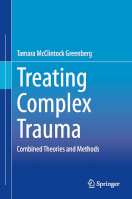
Treating Complex Trauma
Combined Theories and Methods
Author(s):
Tamara McClintock Greenberg
Publishing / Edition:
Springer, 2020
Click here for the
Table of Contents
of the book
Chapter 1.
The Need for Utilizing Multiple Approaches for Complex PTSD: No Theory Has It All
1
Introduction: Complex Clients Need Multiple Approaches
1
What Is Trauma and Who Gets to Define It?
5
Difficulties in the Study of Complex Trauma
7
PTSD vs. cPTSD: Important Distinctions
8
Therapeutic Efficacy and the Therapeutic Alliance
11
Multiple Treatments, Equal Efficacy
15
Cognitive Behavioral Therapies (CBT)
16
Brief Eclectic Psychotherapy (BEP)
17
Dialectical Behavior Therapy for PTSD (DBT-PTSD)
18
Narrative Exposure Therapy (NET)
18
Psychodynamic Therapy
18
Three-Stage Models
19
Commonalities Among All Approaches
19
The Therapy Relationship and Clinical Hypothesis Testing
20
Negotiating the Beginning of Therapy
22
Conclusion
23
References
24
Chapter 2.
How Trauma Stokes Fear: Clinical and Neurobiological Considerations in Beginning of Therapy
29
The Neurobiology of Trauma
29
Evidence for Intergenerational Trauma Effects
32
Fear: Known, Unknown, and Acted Out
34
Clinical Hypothesis Testing and Thinking About Fear with Our Clients
36
The Unhelpful Link Between cPTSD and Personality Disorders
38
How Trauma Can Lead to Incorrect Diagnoses
39
Assessing Character Style
42
Managing Fear in the Beginning of Therapy
44
Conclusion
46
Initial Goals in the Beginning of Therapy for People with cPTSD
47
References
48
Chapter 3.
Nurturing the Therapeutic Alliance: Mentalizing and Maintaining Emotional Safety
51
Characteristics of Therapists Who Have Good Outcomes
51
The Effective Therapist Has Sophisticated Interpersonal Skills
52
The Effective Therapist Has an Ability to Explain a Client's Distress and Takes the Client's Unique Experience into Account
52
The Effective Therapist Is Persuasive About Treatment Ideas and Monitors Progress in an Authentic Way
52
The Effective Therapist Can Deal with Difficult Material While Communicating Hope and Optimism
53
The Effective Therapist Is Keenly Aware of Their Own Psychology
53
The Effective Therapist Stays Aware of Relevant Research and Strives to Continually Improve
53
Trust and the Mentalizing Therapist
54
Normalizing and Managing Shame
58
Creating Safety Though Respecting Avoidance
61
How Much Should We Encourage the Processing of Memories?
62
Conclusion
64
Interventions for Mentalizing and Maintaining Emotional Safety
64
References
65
Chapter 4.
The Therapeutic Alliance and Maintaining Physical Safety
67
Trauma, Suicidal Ideation, and Deaths of Despair
67
The Alarming Epidemic of Suicide
68
Avoidance and Therapist Feelings About Suicidal Clients
70
The Trauma of a Suicidal Crisis
73
Risk Factors for Suicide
74
Interventions for Suicidality
76
Crisis Response Plan
76
Conclusion
78
Interventions for Maintaining Physical Safety
79
References
79
Chapter 5.
Dissociation: Controversies and Clinical Strategies
83
Normal vs. Trauma-Related Dissociation
83
Assessing Excessive Dissociation
85
Controversies Regarding Dissociation: TM vs. SCM
89
A Combined Model of Dissociation?
94
Dissociation of Trauma in the Mental Health Field
96
Treating Dissociative Disorders
99
Conclusion
105
Interventions for Working with Dissociative Clients
105
References
106
Chapter 6.
The Need to Numb: Substance Use and Therapeutic Management
111
Substance Use Problems: Evolving Social Perceptions and Reality
111
The Increase in Problematic Substance Use
112
Links Between Trauma and Substance Use
113
Combined Vulnerability: Psychological and Biological Models
114
Assessing Substance Use
117
Treatment Approaches for cPTSD and Substance Use
119
Seeking Safety
119
COPE
121
Treatment Approaches Specifically for Substance Use
123
Twelve-Step Programs
124
Harm Reduction
125
Motivational Interviewing
127
Conclusion
129
Interventions for Helping People with Excessive Substance Use
129
References
130
Chapter 7.
When Trauma Is in the Body: Managing Physical Concerns
135
Effects of Trauma on the Body
135
Links Between Childhood Adversity and Physical Illness
137
Proposed Mechanisms Explaining the Trauma-Illness Connection
139
Relationships and the Buffer Against Illness
140
Research on the Decrease of Physical Symptoms in Therapy
142
Treating People Who Are Somatically Focused
143
Conclusion
148
Interventions for Helping People Who Are Physically Focused
148
References
149
Chapter 8.
When Fight Impulses Dominate: Managing Aggression and Anger
153
Anger and Clinical Avoidance
153
Links Between Anger and Trauma
157
Anger as a Result of Feeling Over-Responsible
158
Mind, Body, and Brain: The Neuropsychology of Anger
161
Anger and Problems Regarding Ideas of Transference
164
When the Therapist Is the Focus of Anger
166
Treating Anger and Aggression
168
Conclusion
170
Interventions for Treating Angry and Aggressive Clients
170
References
171
Chapter 9.
Sociocultural Considerations in Trauma Treatment
173
Culture and the Culture of Avoidance: Thinking About Differences Between Therapist and Client
173
Trauma, Microaggressions, and Race and Class
176
Trauma, Microaggressions, and LGBT Persons
179
Stereotypes and Stereotype Threats
181
Talking About Differences
182
Conclusion
185
References
186
Chapter 10.
Vicarious Trauma and Self-Care for the Trauma Therapist
191
Compassion Fatigue and the Impact of Vicarious Trauma
191
Too Much Empathy? The Risk of Burnout and Potential Consequences
194
Therapist Vulnerabilities
199
Countertransference and the Importance of Therapist's Emotions
201
Over-responsibility and the Trappings of the Super Therapist
203
Therapist Self-Care
204
Conclusion
207
Self-Care Interventions
208
References
209
Index
213
Content Review
[In Progress...]
Related Resources
•
Purchase the PDF/EPUB
from Springer
$
•
The author's website
• The author has also been a guest on several podcasts:
The REAL Recovery Show
+
Episode #28: On Fear, Anger, and PTSD
The Healing Place Podcast
+
Oct. 13, 2023 - Understanding Complex PTSD
The Tegan Osmond Podcast
+
Jul. 4, 2024 - Managing Chronic Illness and Complex PTSD
The Trauma Therapist Podcast
+
Episode #746: Complex PTSD Coping Skills
The Healing Trauma Podcast
+
Oct. 20th, 2023 - Dissociation & Trauma
+
Mar. 17th, 2024 - Caring For Aging Parents Who Did Not Care For You
+
Mar. 18th, 2024 - Coping Skills For Complex PTSD
• Books also about C-PTSD:
Gingrich, Heather.
Restoring the Shattered Self
. Second ed., InterVarsity Press, 2020.
Foo, Stephanie.
What My Bones Know
. Ballantine Books, 2022.